Understanding Christian Holidays | The Biblical Meaning Behind Celebrations
Wednesday, December 24, 2025Think about the holidays that mark your year. For many of us, they're more than just days off work or times to gather with family—they're spiritual anchors that remind us who we are and whose we are. From the wonder of Christmas morning to the joy that bursts forth on Easter Sunday, Christian holidays and their significance do something powerful: they root us in the story of redemption that's been unfolding since the beginning of time.
Here's the beautiful thing—these celebrations aren't just traditions our grandparents handed down (though there's value in that too). They're living memories of the moments when God broke into human history in the most dramatic ways possible. Whether you've been walking with Jesus for decades or you're just starting to explore the Christian liturgical calendar, understanding the biblical roots of Christian holidays can transform these special days from routine observances into encounters with the living God. Let's walk through these sacred celebrations together and discover how they reflect the core truths of our faith.
Christmas: The Incarnation and Fulfillment of Prophecy
Christmas has a way of getting under your skin, doesn't it? Sure, there's the commercial noise and the stress of shopping, but beneath all that is something profoundly moving—we're celebrating the moment when God decided that love required getting his hands dirty. That's what the incarnation really is: God didn't stay at a safe distance. He became one of us.
When we talk about the biblical roots of Christmas, we're diving into a story that's been building for centuries. The prophets kept pointing forward, saying "He's coming! Watch for him!" Isaiah 9:6 painted the picture: "For to us a child is born, to us a son is given, and the government will be on his shoulders." Then in Matthew 1–2 and Luke 1–2, we see it all unfold—a virgin birth that fulfilled Isaiah 7:14, a tiny town called Bethlehem that fulfilled Micah 5:2, and shepherds getting the announcement of their lives: "good news that will cause great joy for all the people" (Luke 2:10).
Why Christians celebrate Christmas goes deeper than the nativity scenes and candlelight services (as lovely as those are). This holiday affirms that Jesus is both fully God and fully man—a truth essential to Christian theology. Think of it this way: if Jesus were only human, his death would just be another tragedy in history. If he were only divine, he couldn't truly represent us. But because he's both? He's the perfect bridge between God and humanity.
The centuries between prophecy and fulfillment weren't wasted time—they demonstrated God's perfect timing and built anticipation. When Jesus arrived exactly as predicted (Micah 5:2 foretold Bethlehem 700 years earlier), it proved God keeps his promises, even when the waiting feels impossibly long. This matters for us today when we're waiting on God's promises in our own lives.
That's why we exchange gifts (echoing the magi and remembering God's ultimate gift to us), gather with loved ones, and fill our churches with songs about peace and hope. We're celebrating the moment heaven touched earth.
Easter: The Resurrection and Victory Over Death
Let's be honest—Easter is everything. If we're wrong about the resurrection, as the apostle Paul bluntly put it, then "our preaching is useless and so is your faith" (1 Corinthians 15:14). No resurrection? Then we're just a social club with some nice ethical teachings. But with the resurrection? Everything changes.
The meaning of Easter hits differently when you put yourself in the disciples' shoes. Imagine watching your hope die on a Friday afternoon. You've given up everything to follow this man, convinced he's the Messiah, and now he's gone. Then Sunday morning arrives, and the tomb is empty. Not robbed—empty. And suddenly Jesus is standing in rooms, eating fish, letting Thomas touch his wounds (John 20:28). This wasn't resuscitation; this was resurrection. Death itself had been beaten.
The resurrection narratives found in all four gospels (Matthew 28, Mark 16, Luke 24, John 20) all tell the story from slightly different angles, like witnesses at an accident scene, which actually makes it more believable. And what this resurrection means for us? It's the ultimate validation that Jesus really is who he claimed to be. It's God's receipt saying "payment accepted" for our sins. It's the preview of what's coming for everyone who trusts in him. As Athanasius beautifully said, "He became what we are that he might make us what he is."
Because Jesus rose, we can face our own deaths without terror (1 Thessalonians 4:13-14). We can endure suffering knowing it's not the end of the story. We can forgive others because we've been forgiven. We can risk loving because love—not death—has the final word. The resurrection isn't just ancient history; it's the power source for how we live today (Philippians 3:10).
When we gather for sunrise services (there's something perfect about celebrating resurrection at dawn), when we shout "He is risen!" to each other, when we see those Easter lilies and decorated eggs—we're not just going through religious motions. We're celebrating the victory over sin and death that makes everything else in Christianity possible. The empty cross says it all: death couldn't hold him.
Good Friday: The Crucifixion and Atonement for Sin
Good Friday, observed the Friday before Easter, marks the day Jesus Christ was crucified on a Roman cross outside Jerusalem. While the name might seem paradoxical—what does Good Friday mean for Christians when it commemorates such suffering?—the "good" refers to the profound grace accomplished through Christ's sacrifice. This day represents the ultimate expression of God's love and justice meeting at the cross.
The crucifixion accounts in all four gospels describe the physical and spiritual agony Jesus endured. Beyond the brutal Roman execution method, Jesus bore the weight of humanity's sin, experiencing separation from the Father as expressed in his cry, "My God, my God, why have you forsaken me?" (Matthew 27:46). Isaiah 53:5 prophetically described this moment centuries earlier: "He was pierced for our transgressions, he was crushed for our iniquities; the punishment that brought us peace was on him, and by his wounds we are healed."
Here's the beautiful, difficult truth of substitutionary atonement: Jesus became our substitute. It's like he showed up at the courtroom when we were facing the death penalty and said, "Put it on my account." As 2 Corinthians 5:21 puts it, "God made him who had no sin to be sin for us, so that in him we might become the righteousness of God."
Some ask why God couldn't simply forgive without the cross. But true forgiveness doesn't ignore sin's real damage—it absorbs the cost. When someone betrays you, forgiving them costs you emotionally. God's holiness means sin must be addressed, not overlooked. Jesus' substitution satisfies both justice (sin is punished) and mercy (we're spared). The cross shows us that forgiveness isn't cheap—it's costly grace.
Good Friday also fulfills the Passover lamb imagery. Just as Israel painted lamb's blood on doorposts to escape death (Exodus 12), Paul writes, "Christ, our Passover lamb, has been sacrificed" (1 Corinthians 5:7). The timing wasn't coincidental—Jesus died during Passover week, showing God's redemption plan was woven throughout Israel's history.
Many of us observe Good Friday with solemn church services, Scripture readings of the Passion narrative, prayer, fasting, or walking through the Stations of the Cross. It's a day to sit with the cost of grace and let it break our hearts open. Because until we grasp what Friday cost, we can't fully appreciate what Sunday accomplished.
Pentecost: The Holy Spirit and the Birth of the Church
If you've ever felt like Pentecost gets overlooked compared to Christmas and Easter, you're not alone. But here's the thing—Pentecost is when everything Jesus accomplished gets downloaded into our lives. This is when the Holy Spirit showed up in power, turning a group of scared disciples hiding in an upper room into bold witnesses who would turn the world upside down.
Pentecost in the Bible, recorded in Acts 2, reads like something out of a supernatural thriller. Picture this: the disciples are gathered together when suddenly there's a sound like a violent wind, flames of fire appear above their heads, and they start speaking in languages they've never learned. The crowd outside is stunned—these Galilean fishermen are preaching the gospel in dozens of different languages. It's God's reversal of Babel, bringing unity instead of confusion.
But this wasn't just a spectacular light show. Jesus had promised in Acts 1:8, "You will receive power when the Holy Spirit comes on you; and you will be my witnesses." The prophet Joel had foretold this outpouring centuries earlier (Joel 2:28–29), and Jesus had taught extensively about the Spirit who would guide, teach, and empower them (John 14–16).
How Pentecost is connected to the Holy Spirit reveals something beautiful: Pentecost occurred on the Jewish feast of Shavuot, which celebrated God giving the Law at Mount Sinai. Fifty days after Passover deliverance, Israel received Torah. Fifty days after Christ's deliverance through resurrection, the church received the Spirit. God was showing us that his law would now be written on hearts, not stone tablets (Jeremiah 31:33, 2 Corinthians 3:3).
The Christian life isn't about trying harder—it's about the Spirit living in us and working through us. Think of the Holy Spirit like spiritual electricity. Jesus did the wiring work on the cross and through the resurrection, but Pentecost is when the power got turned on. The Spirit produces fruit in our lives (Galatians 5:22–23)—love, joy, peace, patience, and the rest—that we could never manufacture on our own. He gives us spiritual gifts (1 Corinthians 12) to serve the church and seals us as God's own (Ephesians 1:13–14).
The Spirit's work is both dramatic and subtle. Sometimes he speaks through Scripture that suddenly becomes alive to us. Sometimes through godly counsel, circumstances, or a deep inner conviction. We don't try to manufacture patience; we surrender to the One who is patient and let him work through us. It's less like self-improvement and more like a branch drawing life from the vine (John 15:5).
Churches often observe Pentecost with special worship services emphasizing the Spirit's work, prayers for renewal and empowerment, and reflection on the Spirit's role in personal and corporate spiritual life. Some traditions incorporate red vestments and decorations, symbolizing the fire of the Spirit.
Advent and Lent: Seasons of Preparation and Spiritual Reflection
Here's something I've learned to love about the Christian liturgical calendar—it gives us rhythms. Just like our bodies need patterns of rest and activity, our souls need seasons. That's where Advent and Lent come in.
Advent (those four weeks before Christmas) is like the spiritual equivalent of pregnancy. There's anticipation, preparation, and a growing excitement. The importance of Advent in Christian faith lies in its focus on preparation, expectation, and hope. During Advent, we remember how the Old Testament believers longed for the Messiah—sometimes for their entire lives without seeing him. We celebrate his first coming as a baby in Bethlehem. And we look forward to his second coming when he'll return in glory.
Many churches use Advent wreaths with four candles representing hope, peace, joy, and love, culminating in a Christ candle lit on Christmas. This season calls Christians to prepare their hearts spiritually—not merely their homes materially—for celebrating the incarnation. As Isaiah 40:3 says, "Prepare the way for the Lord; make straight in the wilderness a highway for our God."
Lent takes a different tone. Beginning on Ash Wednesday, these forty days (excluding Sundays) mirror Jesus' time in the wilderness (Matthew 4:1–11). It's a season for spring cleaning of the soul—repentance, self-examination, prayer, fasting. Many of us give something up during Lent, not to impress God or earn points, but to create space. Maybe you fast from social media and suddenly have time to actually read Scripture. Maybe you give up complaining and discover how much more grateful you become.
While Advent and Lent aren't commanded in Scripture, they reflect a biblical principle: sacred rhythms shape spiritual formation. Israel had daily sacrifices, weekly Sabbaths, and annual feasts. Jesus often withdrew for prayer (Luke 5:16). The early church adopted these seasons not as requirements but as tools—structures that help us remember what we might otherwise forget.
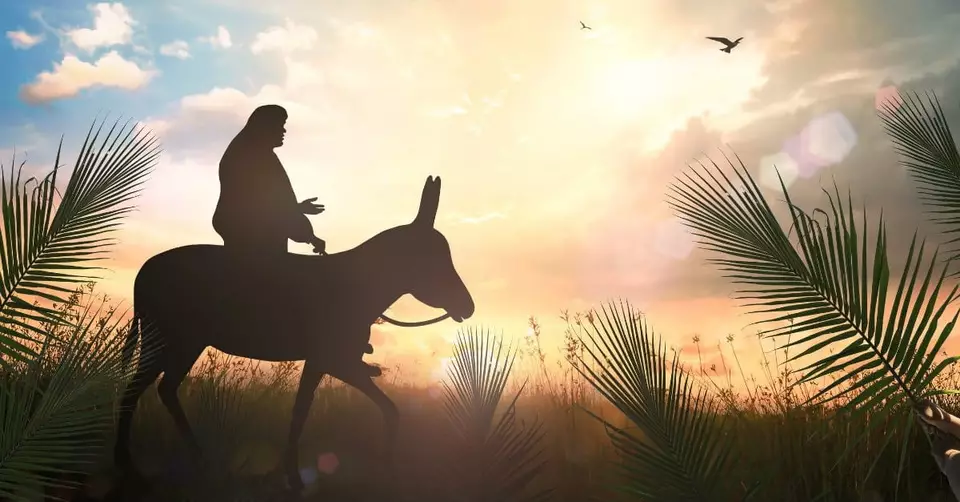
Lent isn't about earning salvation (Jesus already did that). It's about removing distractions so we can see him more clearly. As Joel 2:12–13 urges, "Return to the Lord your God, for he is gracious and compassionate." Lent culminates in Holy Week, the final week including Palm Sunday (celebrating Jesus' triumphal entry), Maundy Thursday (the Last Supper and Jesus' servant leadership), Good Friday, and Easter Sunday. Together, these seasons structure the Christian year around the rhythm of anticipation, celebration, reflection, and transformation.
Conclusion: Living the Story Through Christian Holidays
So here's what I hope you take away: Christian holidays and their significance extend far beyond cultural traditions or family customs. They're invitations—invitations to step into the greatest story ever told and remember that you're part of it.
Christmas reminds us that God is near, not distant. Good Friday shows us what love costs. Easter declares that death doesn't get the final word. Pentecost promises we're not left to figure this out alone. And Advent and Lent give us space to prepare our hearts and realign our lives.
When we understand the biblical roots of these celebrations, everything shifts. They stop being boxes to check and become opportunities—to teach our kids, to encourage our friends, to witness to our neighbors, and to remind ourselves of the hope we have in Christ.
Think of Christian holidays as the church's collective memory system. Just as families have reunion traditions that reinforce "who we are," these celebrations annually rehearse the story that defines us. We're not merely commemorating past events—we're proclaiming a present reality and future hope.
Each holiday asks us personally: How is this truth changing how I live today? What would it look like to really embrace what we're celebrating?
My prayer is that as you engage with these Christian holiday traditions, they would do more than just mark your calendar. May they mark your heart. May they draw you deeper into the narrative of redemption, strengthen your faith in the God who loved you enough to enter your mess, and inspire you to live like someone who truly believes that death has been defeated and love has won.
Because that's not just what we celebrate—that's who we are.
More Articles
Comments